
Understanding the Relationship Between Your Morning Brew and Dental Health
The daily ritual of reaching for a steaming cup of coffee or a refreshing caffeinated beverage has become an indispensable part of modern life for millions across the United Kingdom. However, few people consider the intricate dance between their caffeine consumption habits and the health of their tooth enamel. The timing of when one consumes these beloved beverages can significantly influence the degree of enamel erosion experienced, whilst also determining the most appropriate moments to reach for one’s toothbrush. Understanding these dynamics offers a pathway to maintaining both one’s caffeine habits and optimal oral health simultaneously.
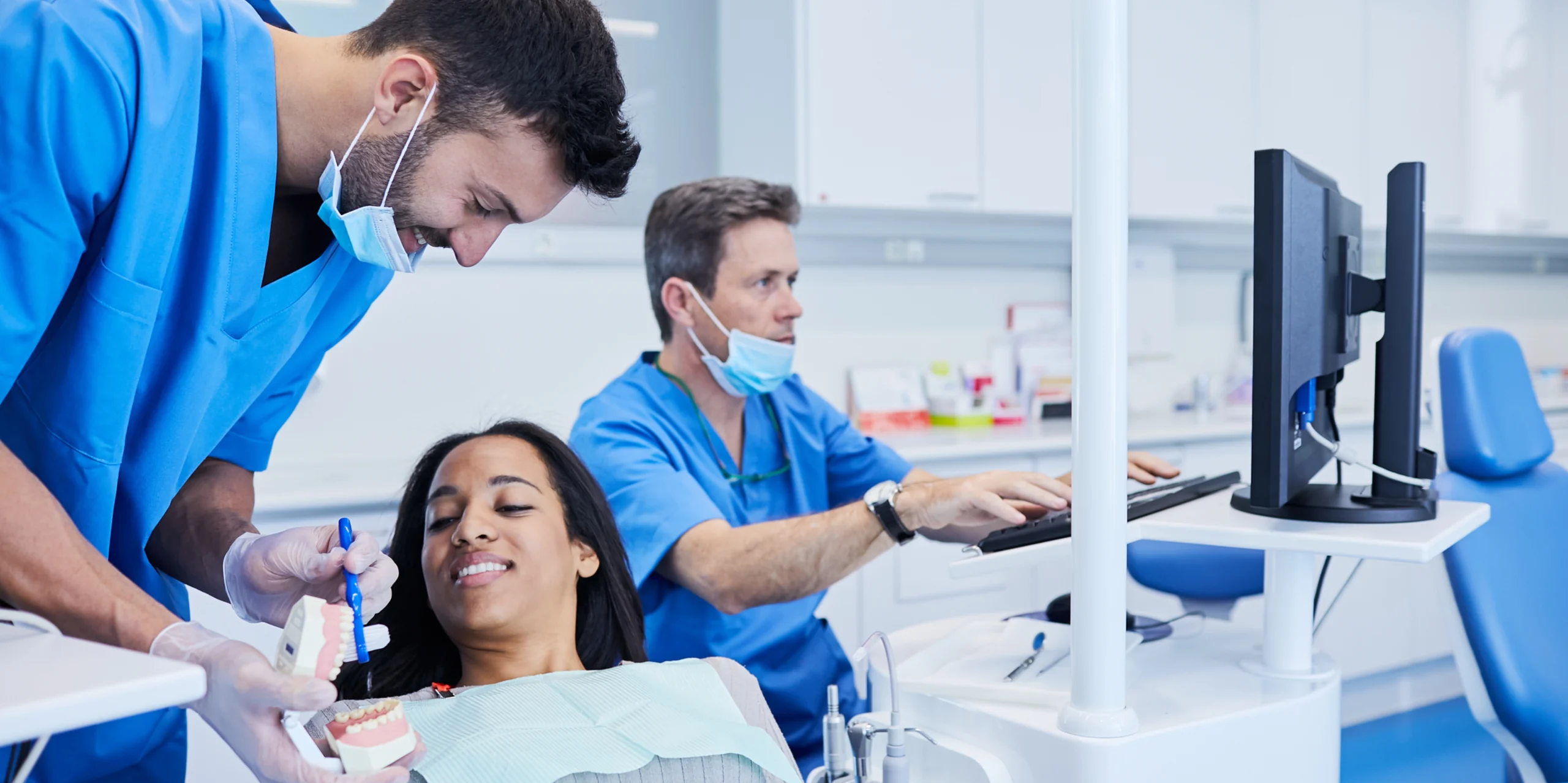
Caffeine-containing drinks, particularly coffee, tea, and certain fizzy beverages, possess inherent acidic properties that temporarily soften tooth enamel upon contact. This softening effect creates a vulnerable window during which the enamel becomes more susceptible to mechanical damage. When individuals brush their teeth immediately after consuming acidic drinks, they inadvertently accelerate enamel wear by scrubbing away the temporarily weakened surface layer. This phenomenon has prompted the dentist Borehamwood to reconsider traditional brushing advice and develop more nuanced recommendations based on consumption patterns.
The Science Behind Acid Attacks and Enamel Vulnerability
The pH level of most caffeinated beverages falls well below the critical threshold of 5.5, at which point enamel demineralisation begins to occur. Coffee typically registers between 4.85 and 5.10 on the pH scale, whilst certain energy drinks can plummet to even more acidic levels. When these liquids come into contact with teeth, they initiate what dental researchers term an “acid attack” – a period during which the mouth’s pH remains sufficiently low to compromise enamel integrity. Research on dental erosion patterns has demonstrated that these attacks can persist for up to thirty minutes following consumption, depending on various factors including saliva production and the specific beverage consumed.
The body’s natural defence mechanism against such acid attacks involves saliva, which works diligently to neutralise pH levels and remineralise enamel surfaces. This biological process requires time to complete effectively, typically between thirty minutes to an hour after consuming acidic substances. Disrupting this natural recovery period through premature brushing or consuming additional acidic items can compound the erosive effects and accelerate long-term enamel loss.
Strategic Timing for Caffeine Consumption and Oral Care
Dental professionals now advocate for a more strategic approach to brushing routines that accounts for caffeine consumption patterns. The optimal window for brushing teeth occurs either before consuming caffeinated beverages or waiting a minimum of thirty to sixty minutes afterwards. This waiting period allows saliva to complete its remineralisation process, restoring enamel hardness to levels that can withstand the mechanical action of brushing without excessive wear. For those who enjoy their morning coffee, brushing immediately upon waking and then having breakfast represents a protective sequence that many experts recommend.
Individuals who consume multiple caffeinated beverages throughout the day face compounded challenges, as studies examining the cumulative effects of frequent acid exposure have revealed. Each subsequent drink reinitiates the acid attack cycle, potentially leaving enamel in a persistently vulnerable state. Those seeking to minimise erosion risk whilst maintaining their caffeine intake might consider consolidating consumption into specific time windows rather than sipping continuously throughout the day. Additionally, recent research into beverage consumption patterns and dental health suggests that drinking caffeinated beverages alongside meals can help mitigate erosive effects, as food stimulates increased saliva production.
Practical Strategies for Enamel Protection
Beyond timing considerations, several practical measures can help reduce enamel erosion risk for caffeine enthusiasts. Using a straw to minimise direct contact between beverages and tooth surfaces proves particularly effective for cold caffeinated drinks. Rinsing the mouth with water immediately after consuming acidic beverages helps accelerate pH normalisation without the mechanical risks associated with brushing. Chewing sugar-free gum stimulates saliva production, enhancing the mouth’s natural protective mechanisms.
For individuals concerned about existing enamel erosion or seeking personalised guidance on protective strategies, consulting with a dentist Borehamwood can provide tailored recommendations based on individual consumption patterns and oral health status. Professional assessment enables the identification of early erosion signs and the implementation of preventative measures before significant damage occurs.
Preserving Dental Health Whilst Enjoying Daily Rituals
The relationship between caffeine consumption timing and enamel health need not force individuals to abandon their cherished daily rituals. Rather, informed adjustments to brushing schedules and consumption patterns can substantially reduce erosion risks whilst preserving both dental integrity and quality of life. By respecting the biological processes that protect tooth enamel and adopting strategic timing approaches, caffeine enthusiasts can maintain their habits alongside excellent oral health outcomes for years to come.